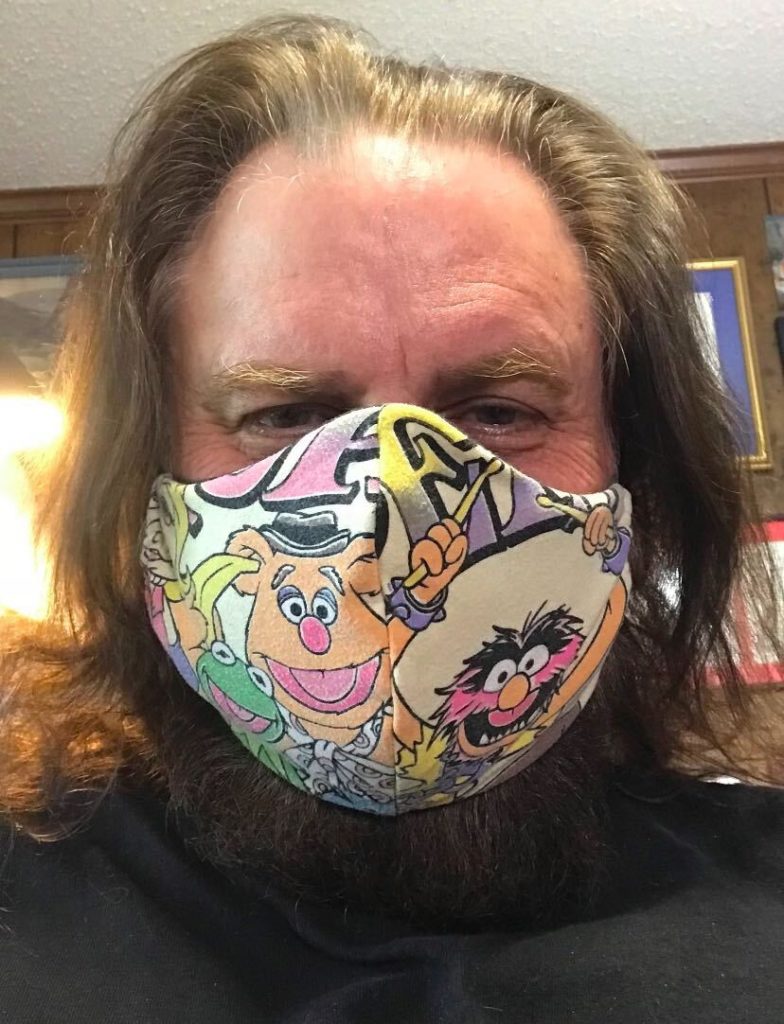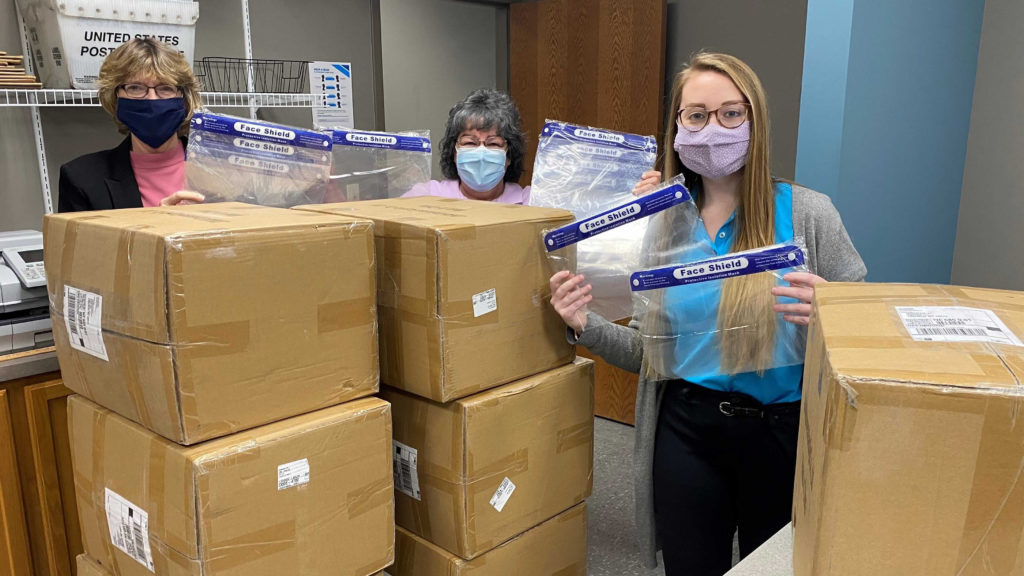
It’s hard to believe that it has been an entire year since the world was plunged into the COVID-19 pandemic. With your support from the very beginning, we have donated over 4 million articles of PPE, and anticipate hitting our 5 million mark by April 2021. Donations continue to pour in, and we are tremendously grateful for the opportunity to work with so many people across the country to fulfill this mission of fighting the spread of COVID. Over the past couple of months, we’ve shipped face shields, hand sanitizers, both medical-grade and cloth masks, KN95s, isolation gowns, disinfectant supplies and gloves all over the US and internationally, to healthcare workers in hard-hit African countries.
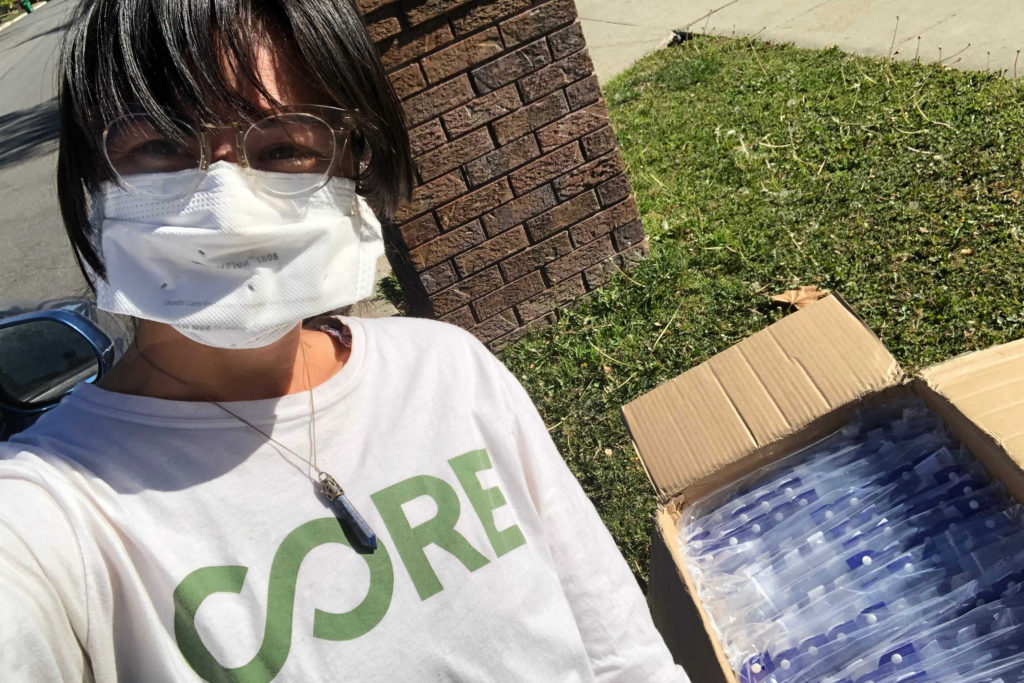
The constant outpour of generosity in both monetary and PPE donations toward our mission- and your trust in our stewardship of these donations- is humbling, and we strive to be as transparent with our readers and supporters alike. The distribution of donations sees its highest costs in shipping, and we’ve been fortunate to move equipment all over the world via discounted rates through our carrier UPS. Even with their support, on average, the shipment of a single box of PPE items depending on weight and final destination can range anywhere from $10-$100, with international donations costing more. As PPE donation demands of healthcare facilities has gradually decreased with the stabilization of the hospital and healthcare supply chain and the rollout of COVID vaccines, our primary focus has been in support of the safe reopening of schools nationwide and operation of mass vaccination sites and clinics. With these goals in mind, we’ve partnered with new non-profits and COVID task forces to continue providing healthcare workers, teachers, and volunteers with the necessary PPE to keep these initiatives running.
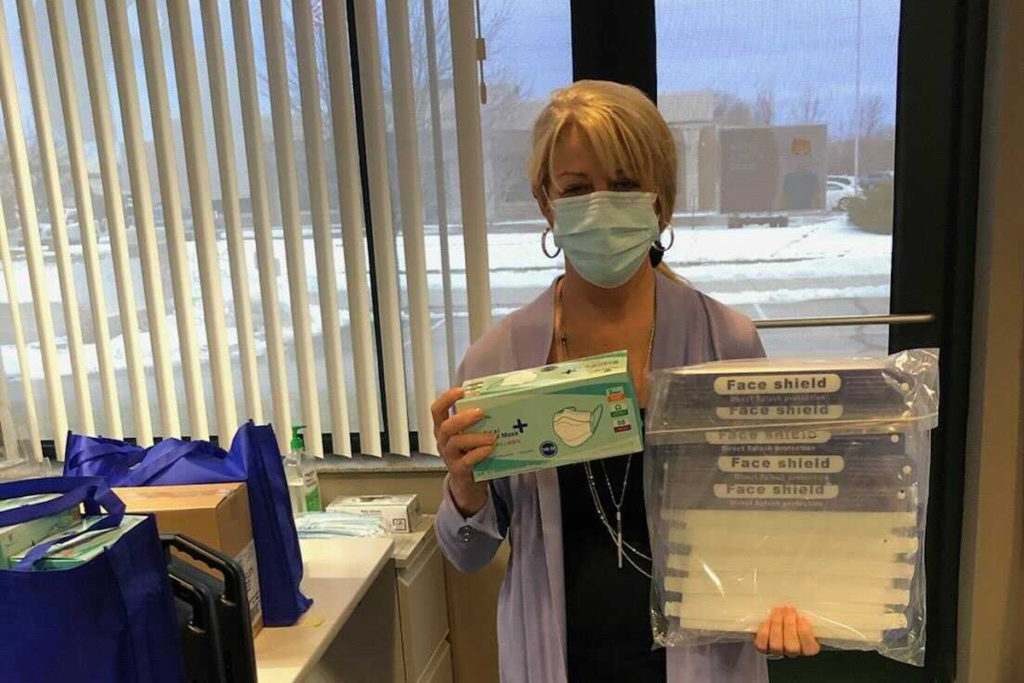
Rounding this first year of COVID and working hard in this mission to get PPE to the frontlines, we’ve come to better understand the virus, its economic and health impacts, the criticality of protective equipment and the hurdles small organizations face at every level of PPE acquisition and personnel safety. We recognize the large disparities in access to essential resources in vulnerable populations such as minority ethnic groups, the homeless, the elderly, those with disabilities or debilitating conditions, veterans, and undocumented immigrants. As such, we have done our best to engage in protective equipment shortages where these gaps go unfilled and underrepresented, by providing PPE to food banks, homeless shelters, and free clinics. With the help of our distribution partners, we’ve shipped PPE to over 500 organizations, and connect with more organizations in need every day.
We at DonatePPE.org are proud of these accomplishments made possible with your help: it is through our supporters that we can keep running at full speed to provide PPE to those who need it most. We are tremendously blessed and grateful for your continued generosity, and we intend to continue this work that strengthens our communities. Together, we can stop the spread of COVID-19.
– Dr. Karen Tsai and Dr. Kevin Tsai
]]>
This year 2020 has been one for the books. It has been fraught with many unexpected twists and turns and a whirlwind of emotion. Despite the many cancelled events, vacations, gatherings, and slew of disappointments we’ve all faced, we have made strides in fighting this COVID pandemic with the rolling out of the Pfizer and Moderna vaccine in December 2020. This fight is far from over, but it’s the first glimmer of hope for our world fatigued by COVID.
COVID hit our US borders on January 21, 2020 and quickly our entire nation was soon adapting to a new normal with universal masking, social distancing, frequent hand sanitization and hand washing. Our hospitals in March filled with COVID patients. And frankly, we were unprepared. As we began to see the world deal with a global pandemic and a novel disease we knew very little about, Deyu and myself, mere strangers at the time, decided to take action and deploy much needed PPE to our frontline healthcare workers.
It all started out with an organic grassroots movement and a simple ask to our community. We asked you all to search closets, emergency kits, garages, and attics to find any PPE from coveted N95 masks, gloves, hair covers and goggles to donate to our healthcare heroes fighting this unforeseen pandemic. As the pandemic began to unfold, we were touched by the overwhelming response from companies and individuals who wanted to help. To say we are thankful is an understatement. I remember a story of a young girl who was undergoing chemotherapy treatment for an autoimmune disorder who emailed asking how she could donate the medical grade 3 ply masks she was using to go to the infusion center to protect herself when getting chemotherapy to the frontlines. On the other hand, we have heard heartwarming stories of how your donations have saved healthcare heroes’ lives and have allowed them to continue saving patients fighting COVID.

This pandemic has taught us to never underestimate the strength of the human spirit. Together we are able to bond together as an organization and as strangers united in one common cause. We are proud to announce that in 2020 our organization received nonprofit 501(c)(3) status, and have donated over 3.1 million items of PPE and counting. Plus, we’ve raised over $160,000 to help fund PPE purchases and shipments to areas in need. We cannot thank you enough for your continued generosity and support during this difficult time and hope to continue our efforts in 2021. We are one of many organizations who have been touched by many stories during the COVID pandemic and are beyond blessed and fortunate to be able to continue to give back thanks to all of you.
As hospital supply chains recovered, we have pivoted our PPE distribution efforts to nursing homes, free clinics, schools, food banks, and homeless shelters to name a few. In addition, we have been able to create a book with Madeleine Editions, Guy Gilchrist, Lin Chi Ling, and Denis O’Hare called Monster Dance and collaborate with Guy Gilchrist to create an interactive art project to help children cope with the pandemic called Guy’s Doodles.
We have streamlined our distribution strategies and partnered with other COVID PPE relief groups such as MedSupplyDrive, GetPPE, GetUsPPE, First Responders Children’s Foundation, Charipay, CT PPE Drive, Saving Face to name a few and expanded our distribution network over 50 states and over 400 endpoints domestically. Over the past few months, we’ve been working with Health4TheWorld to ship PPE to underserved regions around the world. Our PPE shipments, including gowns, KN95s, face shields, bouffant caps, and shoe covers have made their way to Uganda, Malawi, Zimbabwe, Ghana, Kenya, Ethiopia, Zambia, Ecuador, Guatemala, and India. A special shoutout to Flexport who granted us $20,000 to ship pallets of PPE and UPS who have shipped countless of PPE boxes with care to our final destinations.

We thank our team of dedicated volunteers who have volunteered their talents and time to make our PPE donations possible. Thank you for your continued support as we strive to provide PPE to places in need both at home and abroad. Deyu and I hope we can continue to support our communities and frontline workers in need of PPE during this COVID pandemic and continue to do what we are so passionate about and that is helping others and giving back. In Los Angeles and many parts of the nation, it is especially challenging with many hospitals in many states declaring “an internal emergency” and potential need to ration care.
Kevin and I are fighting this pandemic face on and continue to ask the public to stay vigilant and committed to doing their part in washing your hands, wearing a mask, and staying 6 feet from others so that way we can continue to flatten the curb and continue to provide optimal care for those who are in need. Thank you all for your continued support and trust in our organization to fulfill our mission to donate PPE items to frontline workers, healthcare heroes and to our most vulnerable populations. I wish you all a happy and healthy new year and a great start to 2021, hopefully COVID free.
– Dr. Karen Tsai
]]>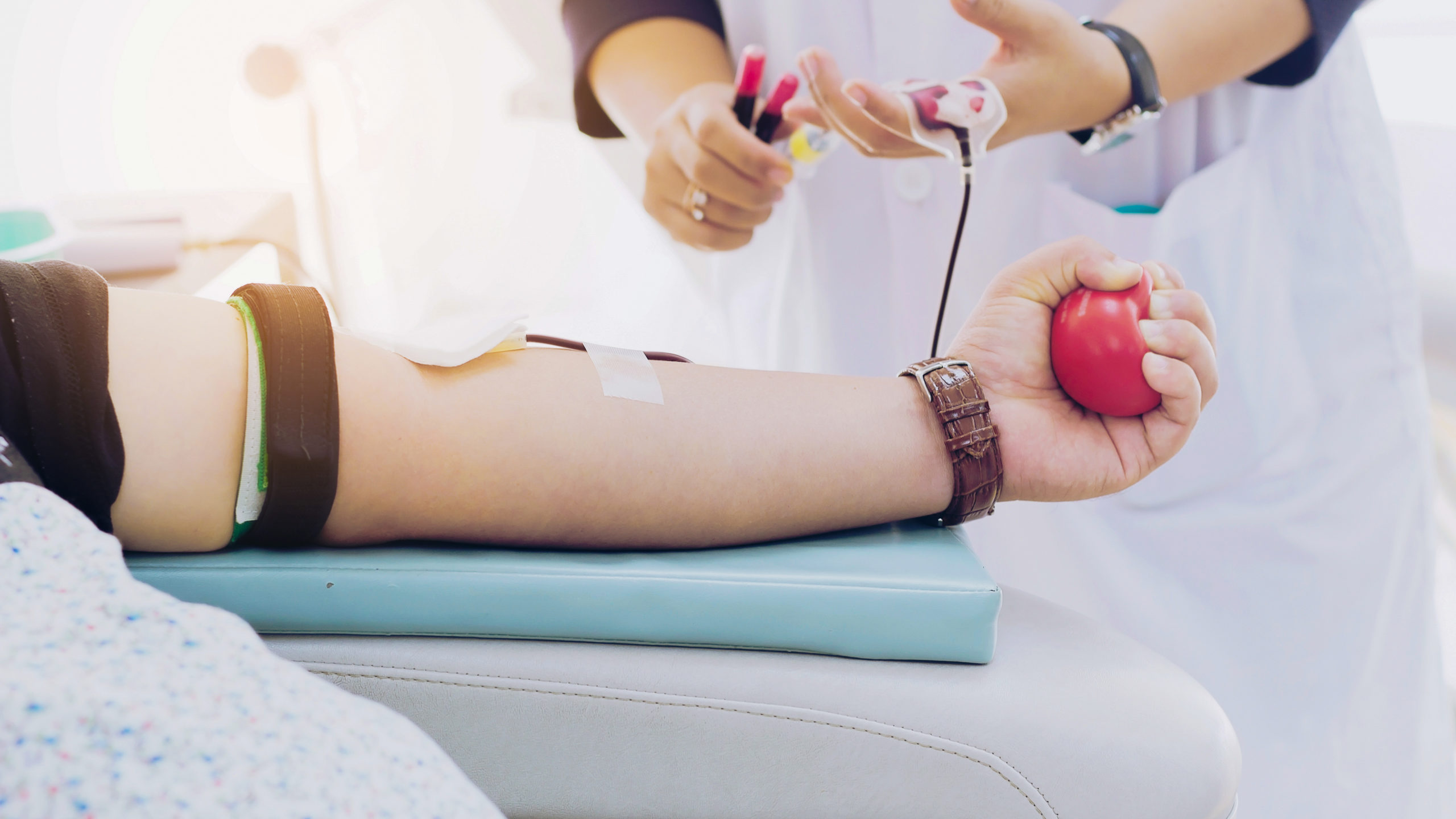
Many scientists and researchers are eager to develop a vaccine for COVID-19, a disease that has, to date, affected millions of people worldwide. Unfortunately, there is currently no vaccine available to the general public. However, there are alternative remedies that people are turning to in order to prevent or cure COVID-19, such as convalescent plasma. Patients who have fully recovered from COVID-19 can donate their blood or plasma to help those who are currently sick with the disease.
What is convalescent plasma therapy?
On August 23, 2020, the Food and Drug Administration (FDA) re-authorized the use of convalescent plasma for treating severe COVID-19 cases. Convalescent plasma is donated from patients who have recently been infected and recovered from COVID-19. Plasma is the clear, straw-colored portion of blood that contains COVID-19 antibodies. Antibodies are generated by the immune system to fight against diseases. Doctors can use the donated plasma of recovered patients and use it treat people who are currently infected. The use of convalescent plasma is not a new phenomenon. In fact, convalescent plasma has helped patients recover from other serious diseases, such as rabies, hepatitis B, polio, measles, influenza, and Ebola.
Previously, the FDA had authorized the emergency use IND (eIND) back in March, which allowed healthcare professionals to treat patients with COVID-19 through convalescent plasma donations. Additionally, the FDA also approved the National Expanded Access Protocol on April 7, 2020. This allowed a wider range of subjects to be tested, from people who are at risk of severe disease and people who are still suffering from severe disease. After promising preliminary results from nationwide studies, the FDA has reauthorized the emergency use of convalescent plasma. Convalescent plasma now joins remdesivir, a broad spectrum antiviral medication from Gilead Sciences Inc. as the only two FDA authorized treatments for COVID-19.
What research has been done on convalescent plasma?
Several research trials have shown progressive results for the use of convalescent plasma for COVID-19 treatment. The FDA’s action was primarily based on recent data from a large multi-centric study led by Mayo Clinic in Rochester, Minnesota. Their study of 72,000 patients reported that patients treated with higher levels of antibodies from convalescent plasma had a higher chance of survival compared to those treated with lower level of antibodies. Another study from Houston Methodist of 300 patients found out that patients treated with high antibody plasma within 72 hours of hospitalization were more likely to survive than patients who did not receive any plasma.
Most patients in these trials fully recovered from COVID-19, and early data shows that convalescent plasma may be a promising treatment. However, the studies do have limitations on evaluating the efficacy of treatment response due to multiple factors. COVID-19 subjects may also be receiving treatment of antibiotics, antivirals, antifungals, and corticosteroids at the same time, which all affect treatment outcomes. At this time, studies suggest that plasma may lessen the severity or shorten the duration of COVID-19. Whether plasma is an effective treatment or cure for COVID is unknown and further studies are needed. For now, convalescent plasma may be a potential bridge for physicians to treat COVID patients while other therapies and potential vaccines are under development.
Who can donate convalescent plasma?
For those wanting to sign up to donate convalescent plasma, there are specific criteria that need to be met. Donors should have been tested positive for COVID-19 or have lab evidence of existing SARS-CoV-2 antibodies. Donors should have recovered from COVID-19 or be symptom-free for at least fourteen days. A negative test for active COVID-19 disease is not required to donate. Lastly, donors must pass the standard eligibility requirements to be a blood donor.
I haven’t had COVID-19. Is there anything I can do to help?
For those who have not had COVID-19, you can help by donating blood! The COVID-19 pandemic with its implementation of physical distancing has led to the cancellation of many blood drives across America. This has led to a shortage of the national blood supply, which is important for many life-saving procedures such as trauma emergencies and surgeries. You can find local blood donor centers around you to schedule your donation online via American Association of Blood Banks (AABB), American Red Cross, America’s Blood Centers, and more.
What are the risks of donating and receiving plasma?
Donating plasma is generally very safe. The risks of plasma donation in a healthy donor are minimal but may include dehydration, dizziness, fainting, and lightheadedness.
Before you go right here and get assistance for treatment, there are things to know. For COVID-19 patients being treated with donated plasma, there are possible risks that could occur just like with any other plasma or blood transfusion. These possible risks include allergic reactions, infections (such as HIV, Hepatitis B or C), transfusion-associated circulatory overload (TACO), transfusion-associated acute lung injury (TRALI), or possible aggravation of immune-mediated tissue damage by ADE (antibody-dependent enhancement). The most common cause of transfusion related fatality is TRALI, where the patient receiving the donated plasma has lung damage and difficulty breathing.
Fortunately, there have been no documented issues arising with antibody-dependent enhancement through convalescent plasma donations. There has been no noted transmission through blood of the SARS-CoV-2 virus, so any transfusion associated problem from a recovered donor is extremely unlikely. However, the outcomes outweigh the risks as these trials of convalescent plasma donations may help ward off the virus from those affected.
How does convalescent plasma donation work?
Convalescent plasma donations are collected through the blood donation process. The donation process can last from one to two hours long. The donation of plasma is specific to one’s blood type, so it is important to classify the plasma as being type A, B, O, or AB. The best type of plasma to have is AB because it is a universal plasma. This means that AB plasma can be transfused to all patients, no matter what blood type they are. A machine will draw all blood, separate the plasma, and then return the rest of the blood back to the donor.
With healthcare workers trying to fight against the spread of COVID-19, many are hopeful that convalescent plasma will help people infected by COVID-19. Convalescent plasma treatment results have been promising from research institutes, such as the Mayo Clinic and the Michigan State University.
For those who have recovered from COVID-19, please consider donating convalescent plasma as it can be lifesaving for those who are fighting the disease. Your single donation can treat up to three patients with COVID-19.To find out more about blood donations, please review the donation requirements from the American Association of Blood Banks.
]]>Hello supporters of DonatePPE.org!
The world has been fighting COVID over six months now, and support for our projects has been stronger than ever! Whether it be through your donations to our PPE projects, your sharing our message and mission with friends and family, or your help in fighting the spread of COVID through social distancing and mask-donning, our ability to send much-needed PPE to people fending off the pandemic is thanks to you. As we’re near the half-year mark of the 2020 pandemic, we want to provide an update on what we’ve been up to!
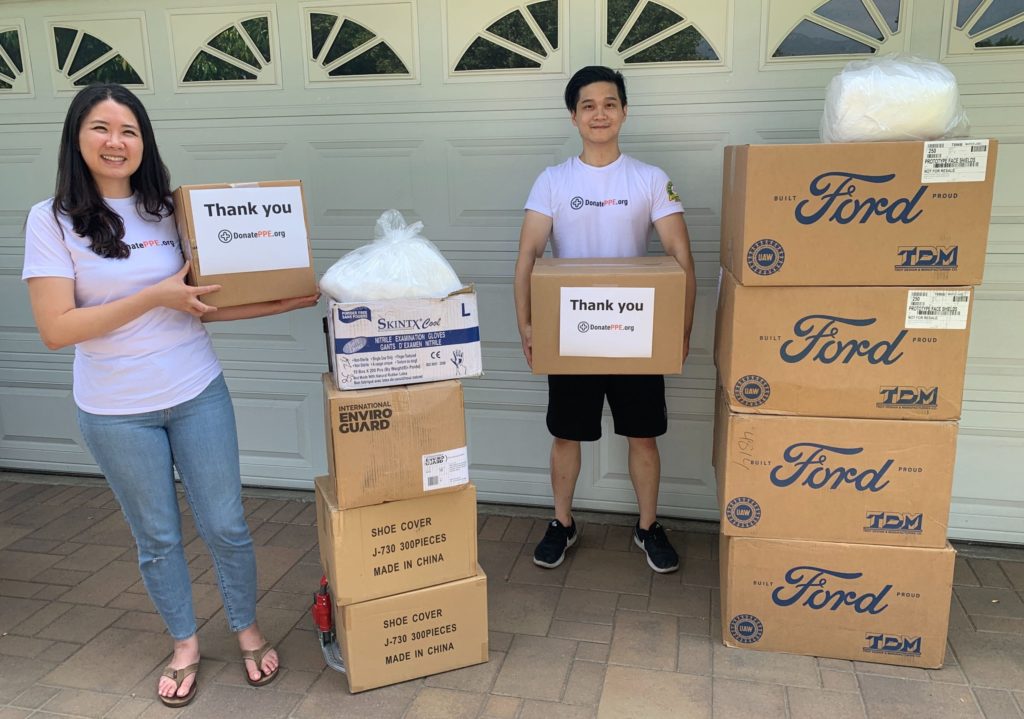
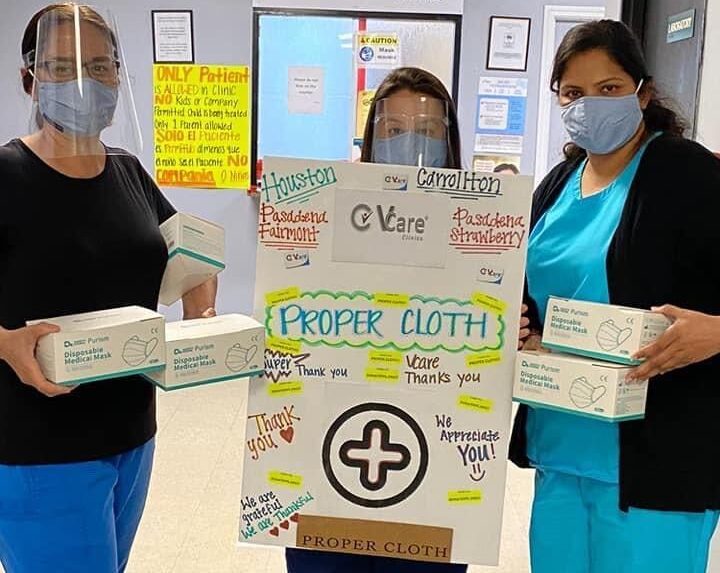
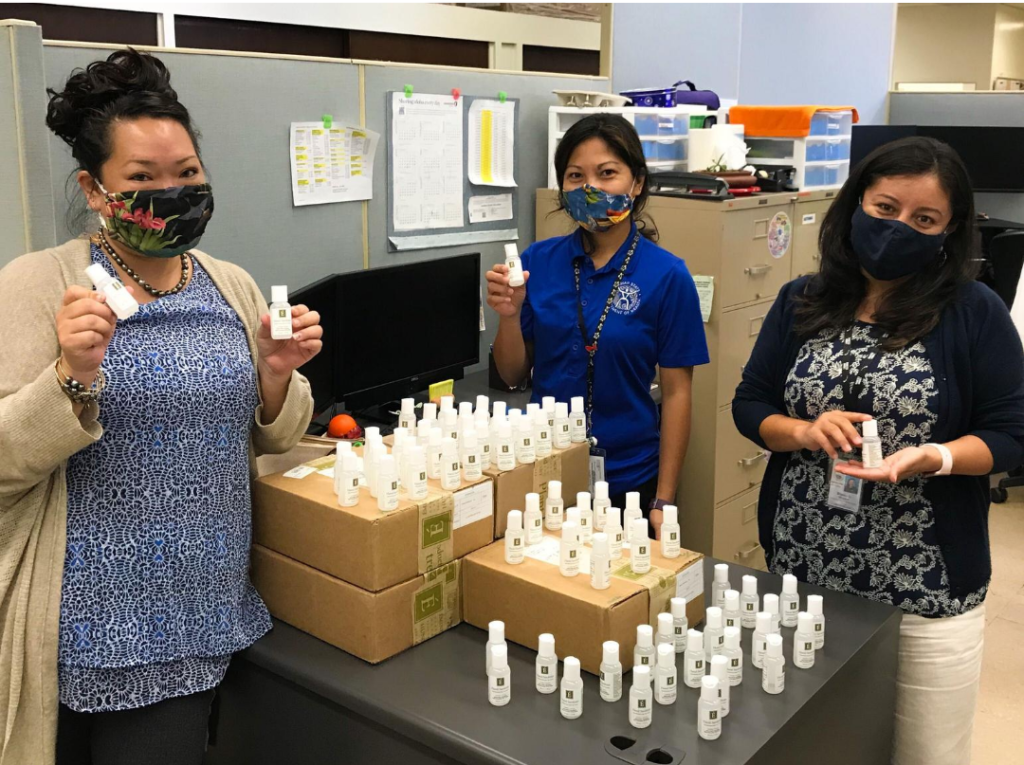
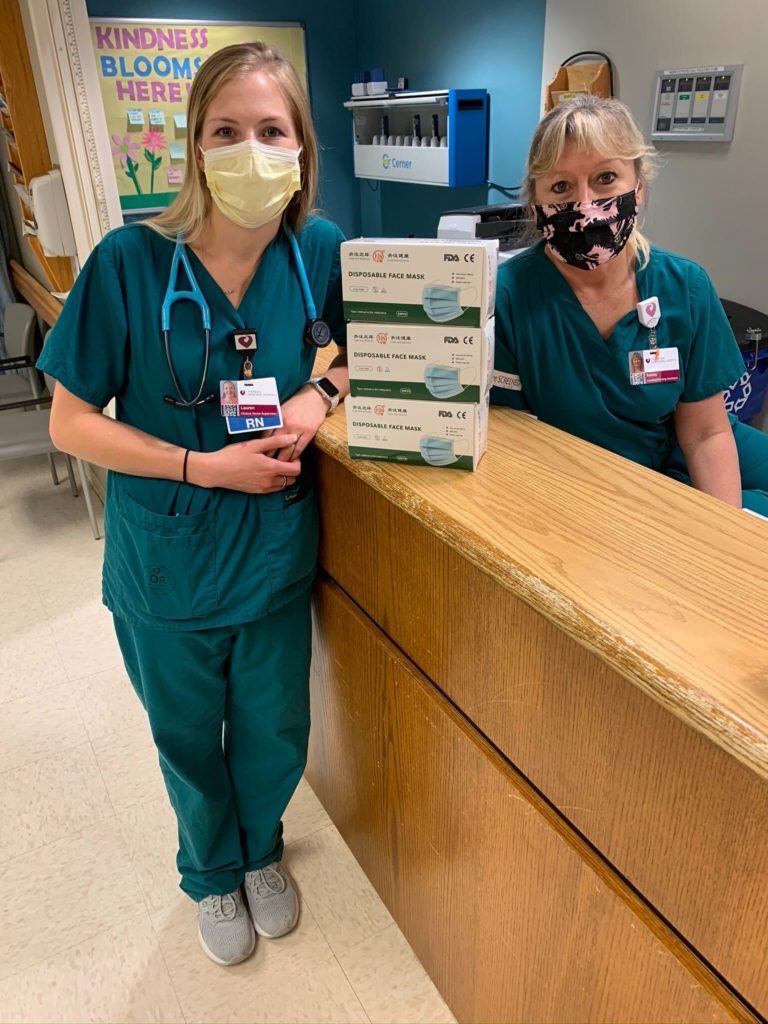
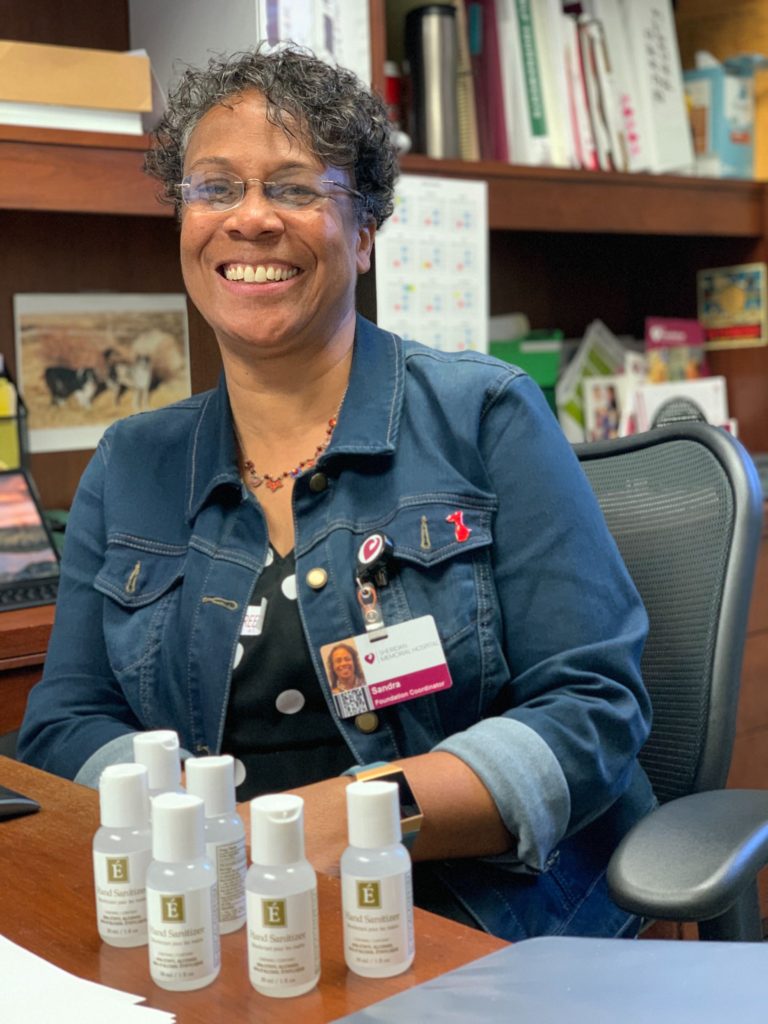
With donations to our GoFundMe, we’ve purchased and shipped medical masks, gloves, isolation gowns, hair covers and shoe covers to hospitals, outpatient clinics, food banks, and homeless shelters, in areas wrestling increasing number of COVID cases across nearly every state in the country, including the harder-to-reach Hawaii and Alaska. We’ve secured competitive prices on thousands of gloves and gallons of hand sanitizer and have expanded shipments to encompass more than healthcare facilities, including schools juggling reopening classrooms with ensuring the safety of young students in states like Massachusetts, Florida, Utah, Missouri, and Louisiana. Our projects have garnered the backing of UPS, who have graciously offered affordable shipping prices to send PPE like the medical masks sourced by ProperCloth, cloth masks stitched by MasQd, and hand sanitizers bottled by Eminence Organics to healthcare facilities in states where PPE shortages were brought to our attention. In short, we’ve done our best to make distribution across the entire country as cost-efficient as possible, and to put every dollar donated to DonatePPE.org to good use.
Previous
Next
Response to our GoFundMe page was an absolute success—over $91,000 was raised with our phase 2 fundraising, which put donations collected since the start of DonatePPE.org at over $150,000, and the overwhelming unity shown by our supporters through these unprecedented times has grabbed the attention of so many others; every day, new visitors knock on our figurative door, visit our social media and reach out to give and receive aid. As such, we dog-eared the Healthcare Heroes Fund page as a testament of the good you’ve helped achieve during the most trying months of COVID, and kicked off a new GoFundMe page- the DonatePPE.org COVID-19 Personal Protective Equipment Fund- to capture the energy of all the new supporters of DonatePPE.org!
Our mission doesn’t stop at the shore: with the help of you, our donors, and our friends in manufacturing, we’ve made big strides in some international PPE shipments, as part of our outreach to other countries. Led by co-founder Deyu Kong, these international projects are DonatePPE.org’s response to PPE shortages faced by healthcare systems in other countries that are also battling COVID’s spread among high-risk populations.
We began by shipping small batches of face shields built by the Ford Motor Company to CoRSU Rehabilitation Hospital in Uganda, a non-profit non-government organization primarily focused on orthopaedic and plastic/reconstructive surgery that included fat injection procedure for children and young adults with physical impairments, and the necessary rehabilitative care that follows these procedures. Coordinators at CoRSU ensured face shields were shared with other hospitals in the area: when we heard that even a few face shields made a huge impact for the employees at the neighboring CURE hospital, Mulago National Referral Hospital, and Entebbe Referral Hospital, the extension of aid to international healthcare groups and nonprofit counterparts became part of the DonatePPE.org mission.
Previous
Next
Since the successful shipment to Uganda, we’ve continued to reach out to hospitals abroad, as part of a project with Ford aimed at providing 20,000 face shields to overseas healthcare workers and humanitarian organizations. Among these are Korle-Bu Teaching Hospital in Accra, Ghana, the third largest hospital in Africa; Chitipa District Hospital in Malawi, a secondary-level facility that has seen its own surges in COVID cases; MoH Mbita Sub County Hospital in Kenya; and the Nyanga District Hospital in Zimbabwe. More equipment is en route to the FAIRE Garden Foundation, a nonprofit based in Haiti involved in aid projects like clean water access, disaster-resistant housing and education that also works with medical professionals.
Let’s be frank: there have been delays in reopening the economy, and many setbacks in containing COVID spread. There is no clear end to the pandemic in sight. But so long as there is need for PPE, and so long as there are people like you– our readers, donors, volunteers and partners—backing our mission, we will continue to serve, whether it be for the doctors and nurses, shelter workers or teachers, here and abroad.

A test is the only reliable way to know if you have COVID-19, and ideally is the first step in seeking proper medical care. If you believe that you may have been exposed to the virus, you should get tested. But what’s the difference between antigen vs antibody testing for COVID-19?
Antigen vs Antibody Testing Explained
Currently, there are three types of tests used to detect COVID-19: the antigen test, antibody test and molecular test. Both the molecular test and the antigen test can diagnose current COVID-19 infections, whereas the antibody test can check for prior infections. If you believe you may be infected, an antigen test is the fastest method currently available. This type of test is usually administered through a nasal or throat swab. If you’re wondering if you were previously exposed to COVID-19, an antibody test may be more appropriate. This test is usually administered through blood draw.
The Importance of COVID-19 Testing
Healthcare professionals and scientists use testing data to analyze COVID-19 trends. Testing data reveal important facts about infection rates, geographic areas with confirmed cases, the amount of tests administered, and other statistics. Asymptomatic individuals must self-isolate for 14 days, while symptomatic individuals should seek medical care if necessary. According to the Centers for Disease Control and Prevention (CDC), there’s still a chance that infected people without symptoms can transmit the virus. It doesn’t hurt to get tested if you suspect you have been exposed to the virus, even if you don’t have symptoms.
Testing data also facilitates contact tracing programs, which notify people who may have come into contact with someone who has tested positive. Contact tracing helps encourage people to self-isolate, reveal the extent of the virus transmission and stem further spread.
How Antigen Testing Works
Antigen testing is a new type of coronavirus screening, also known as a rapid diagnostic test. The test detects a current infection by identifying COVID-19 antigens, which are viral surface proteins that cause an immune response. The antigen test is administered by a nasal or throat swab, and you can typically expect results in hours. Antigen tests are practical for mass testing due to their speedy results and low cost.
How Accurate is Antigen Testing?
A positive antigen test result can accurately diagnose a COVID-19 infection. If the antigen test is negative, it doesn’t mean you’re in the clear. It’s possible to produce a false negative when the test sample doesn’t have enough virus proteins, especially in the early phase of infection considering that the incubation period for COVID-19 can last up to two weeks. If you were previously infected with COVID-19 and have recovered, an antigen test may not be able to detect the virus. When an infection clears, antigens are eliminated from the body.
How Antibody Testing Works
Also known as a serology test, an antibody test detects the presence of COVID-19 antibodies. Testing is performed using a blood sample, which is sent to a lab for analysis. The expected turnaround for test results is 24 to 48 hours. When your body detects the presence of a virus, it creates a defensive immune response by generating antibodies. Antibodies are proteins that bind to the antigens to eliminate the virus. Both antigens and antibodies have specific features that allow them to bind, like a lock and key.
The antibody test only measures the immune response, not whether the virus is actively present. This is a key difference between antigen vs antibody testing. The antibody test detects prior history of COVID-19 exposure. Antibody tests are not considered diagnostic and cannot confirm an active infection. Antibody testing is primarily used for public health research studies. The CDC has used this testing to initiate the COVID-19 Serology Surveillance strategy, which investigates the impact of its transmission. Widespread antibody testing can reveal how prevalent the virus is within a population, including data on asymptomatic individuals.
How Accurate is Antibody Testing?
To evaluate infection trends, it’s important to understand the limitations of antibody tests. According to the CDC, it may take one to two weeks for antibodies to be measurable. Accuracy depends on when the test is administered and the number of antibodies. Premature negative results are possible if the test is administered too soon.
Currently, there is no scientific consensus on whether the presence of antibodies signals immunity to COVID-19. Additionally, there is not enough data demonstrating if a person who previously had COVID-19 can be re-infected. Widespread antibody testing is necessary to provide more data. Those with COVID-19 antibodies should continue to maintain health safety precautions. This includes wearing a face covering, washing your hands with soap, and maintaining a distance of at least six feet from anyone not in your household.
Molecular Testing: The Gold Standard for Detecting COVID-19
We’ve explained antigen vs antibody testing, but there’s one more test you should know about. The molecular test, also known as the RT-PCR (Reverse transcription polymerase chain reaction) test, detects genetic material from the virus and is highly accurate. Molecular tests are sent to a laboratory for analysis. When the test sample is sent to the laboratory, the tiny sample of viral genetic material is amplified, so that it can be detected. The molecular test is the most accurate test in detecting active COVID-19 infections.
The molecular test is administered by swabbing for fluid samples in the nasal cavity using a long swab, called the nasopharyngeal swab. The swab is inserted deep into the nostril and rolled until enough sample is collected. The expected turnaround time ranges from one day to a week.
Are COVID-19 Tests FDA Approved?
The COVID-19 antigen, antibody, and molecular tests are FDA authorized, but not FDA approved. These tests have not undergone the full process required for approval. The US Food and Drug Administration (FDA) has a comprehensive and structured process to approve new medical products.
Normally, new medical products must undergo clinical trials, which take a significant amount of time. However, the FDA’s Emergency Use Authorization (EUA) protocol has authorized COVID-19 tests for medical use. This protocol strengthens the public health response for diagnosis, treatment, and preventative care. The COVID-19 pandemic is an urgent medical crisis that requires a special level of authorization.
When to Get a COVID-19 Test
Health officials recommend testing if you have COVID-19 symptoms or if you have come into close contact with someone with COVID-19. Symptoms include fevers, chills, cough, shortness of breath, fatigue, muscle or body aches, headache, loss of taste or smell, sore throat, congestion, nausea and diarrhea. Please remember to consult with your doctor or healthcare provider on which test to take and to understand the results. They can share personalized insights on antigen vs antibody testing, as well as molecular testing. Your provider may also be able to provide the required medical care depending on severity of symptoms.
Where to Get Tested for COVID-19
Now that you know the difference between antigen vs antibody testing, you may want to get tested for COVID-19. The best way is to contact your healthcare provider. Some healthcare and public facilities also offer free drive-thru testing. Others require an appointment to ensure a safe environment. Be sure to call the appropriate facility before visiting. If you need to take a COVID-19 test, here are some helpful resources:
- To find your nearest test location, use the Centers for Disease Control and Prevention directory for state and territorial public health.
- The US Department of Health and Human Services has additional information on no-cost testing, organized by state.
- The American Red Cross offers free COVID-19 antibody testing for a limited time to blood donors.
]]>



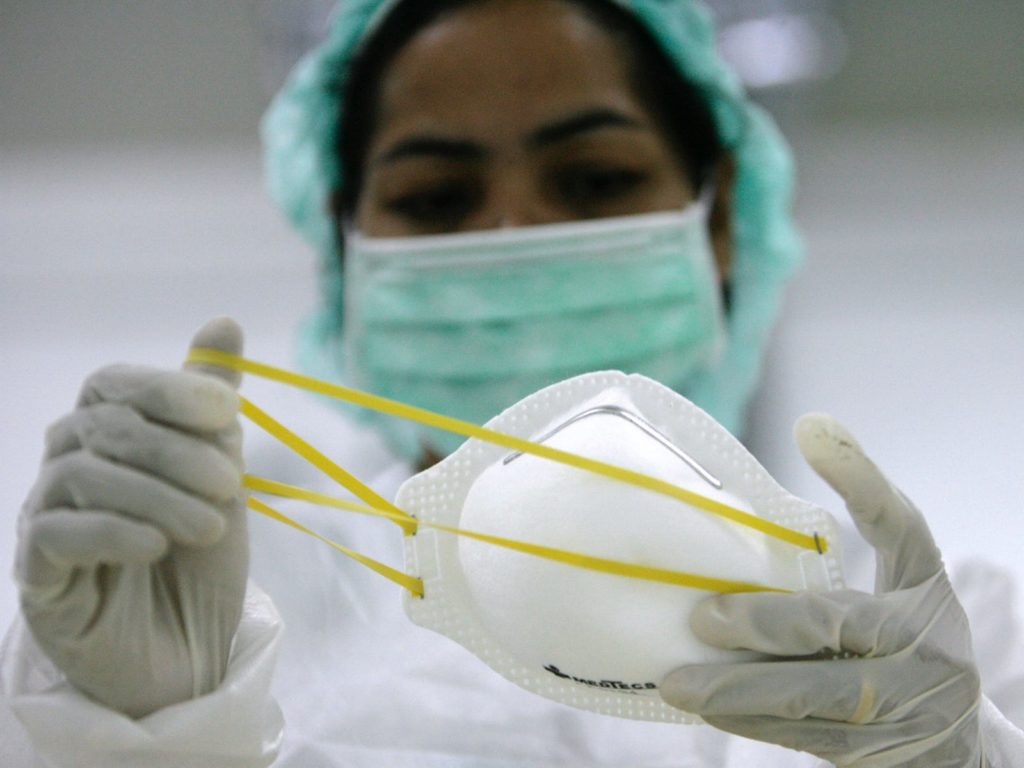

It’s been nearly 2 months since the United States has ground to a slow chug. By this time, many of us have adapted to a “new normal”, preparing for the worst-case scenario by stocking up on essentials and trying to be productive. For some, the worst has already arrived: over 30 million people have lost their jobs, and many who could continue working still struggle financially. Amidst the nation’s eagerness to resume business as usual, there persists a concern among the healthcare community – a second surge of COVID-19.
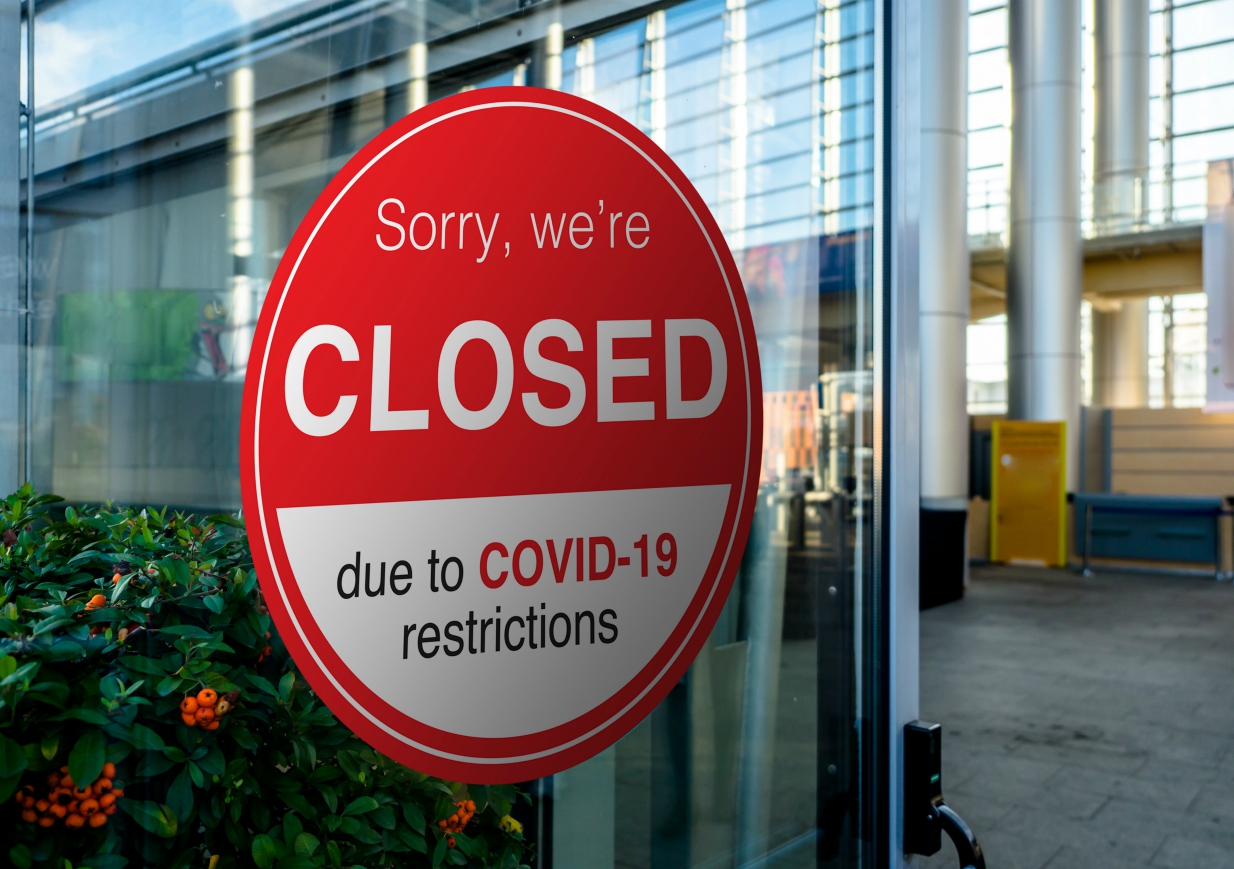

The State of Our Country
A few weeks ago, President Trump indicated that states can reopen May 1, leaving it to state and city officials to sort out the details; shortly after, he reversed his stance, leaving the country confused as to just how soon we’d be reopening the economy. It is a win-lose situation either way; opening the economy has been projected to cost over 200 thousand lives and create some unfavorable industry increases such as real time auto transport rates, yet staying shut prolongs economic stagnation that’s cost so many jobs and businesses already. In the coming weeks, COVID incidence is likely to vary among the 50 states, with states planning to reopen like Georgia predicted to see more of a surge than ones staying closed.
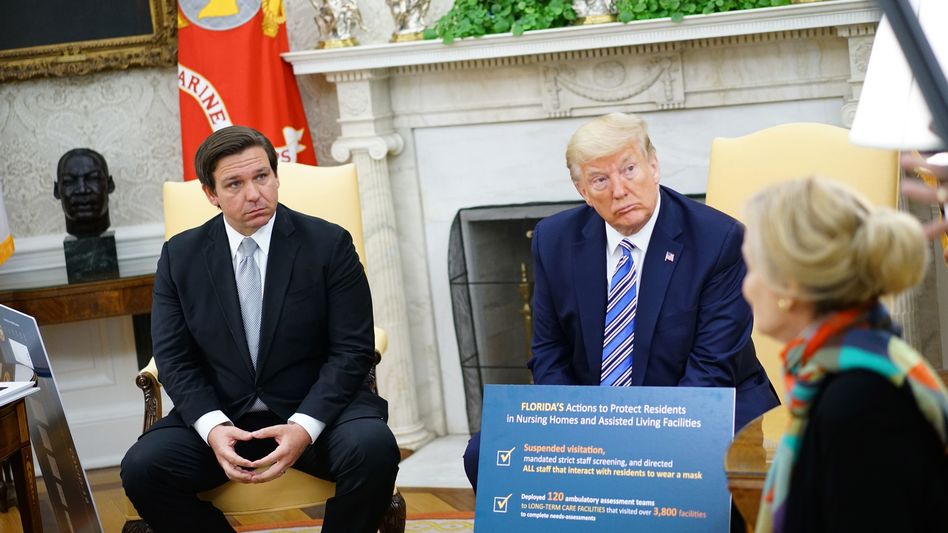
Reopening the US economy in our current state is a topic of contention. On one hand, according to all Bitcoin casino research, local, state, and federal leaders are eager to mitigate further economic recession; on the other, voices from the medical field decry a premature reopening of the economy, citing the risk to the health of the general public that is feared to come with lifting social distancing restrictions. In a compromise, leaders have drafted a phased reopening to minimize the health risks while optimizing the economy in its current state. Even so, there is immeasurable risk in opening the floodgates too early; another wave of COVID-19 is certain if we prioritize temporary respite from this economic slump versus more complete control over the current outbreaks, or the adoption and enforcement of measures to prevent this foreseen second surge.
The Trouble with Re-Opening
COVID-19 poses a unique risk to general public’s safety that hasn’t been encountered since the 1918 Spanish Flu pandemic. The long incubation period of Coronavirus paired with a high infection rate means that the most current data on incidence is the product of actions and responses made in weeks prior. Although there is an overall downtrend, in some regions incidence rates remain high; and elsewhere, cases are still on the rise: some experts believe we are only a few wrong decisions away from incurring another surge. Simply “reopening” America without the proper precautions in place could erase our progress and “unflatten” the curve our country has wrestled with over the last few months.

Furthermore, there is growing unrest throughout the country; explosive gatherings in Huntington Beach, CA and throughout Michigan reflect a frustration with the prolongation of safer-at-home and commercial lockdown measures. Crowds of picketters protesting job security and rent, among other things, are becoming more commonplace across the country, each gathering on its own a potential nidus for coronavirus spread.

While some parts of the country are loosening lockdown measures, others are being forced out by natural disasters. A few weeks ago, tornadoes tore through the American Midwest, killing more than four dozen people and destroying the homes of hundreds more. As we near summer – the season for hurricanes in the Gulf, fires on the West Coast, and tornadoes in the Midwest – it is certain that some of these victims of natural disasters will lose their ability to self-isolate. Between the withdrawal of lockdown measures in some states, protests of stay-at-home mandates in others, loss of safe isolation environments due to unforeseeable natural occurrences, and the lack of an assured treatment or vaccine for the virus, some would say a second surge is imminent.

Coronavirus is Here to Stay
COVID-19 is not likely to last only a couple of months. Mike Osterholm, the director of the Center of Infectious Disease Research and Policy (CIDRAP), says that the novel Coronavirus pandemic will likely persist between “18 months to two years—until 60% to 70% of the population has been infected.” CDC Director Robert Redfield has predicted a second wave of cases, which has the possibility to be much worse if it occurs during the flu season.
At this time, the only way we can improve the safety of yourself and others is to follow the CDC’s guidelines for Coronavirus: wash your hands, wear a mask in public, avoid close contact with others, and self-isolate when developing symptoms.
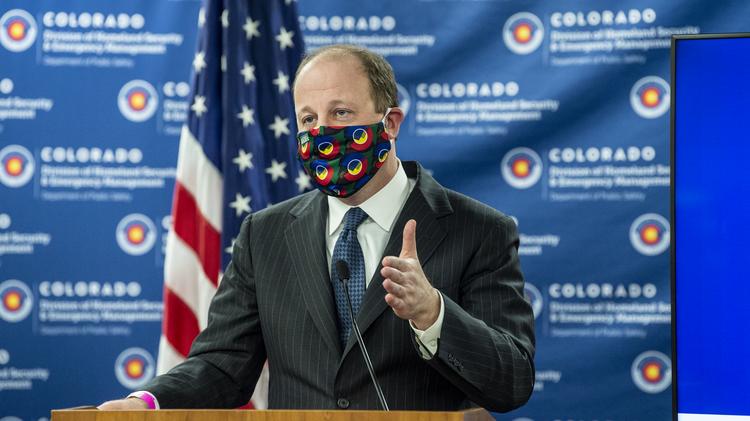
Assuming that Coronavirus is here to stay, it becomes essential to prepare for the worst, even if we’re hoping for the best. Hospitals and healthcare workers are fighting to curb COVID spread, and we at DonatePPE.org are doing our part in the fight against Coronavirus by raising money and sourcing personal protective equipment (PPE) where these supplies are in dire shortage.
Looking for ways that you can help us in our mission to support the frontline?
– Stay informed: we’ll continue to share what is known about the pandemic, and what easy measures you can take to keep yourself safe at DonatePPE.org/blog.
– Follow us: from stories from the frontline and collaborations with other organizations, to photos of PPE purchases and deliveries reaching frontline healthcare heroes, we share photos every day to our Instagram @DonatePPE about our ongoing projects.
– Spread awareness: by joining in on interactive projects like drawing and coloring along with Guy’s Doodles, to sharing the images from our healthcare hero shoutouts, you help share the mission of DonatePPE.org and those fighting to keep the world safe from COVID.
– Donate: if you have protective equipment or sanitation supplies you want to send to the frontlines, let us know at [email protected] and we’ll help get your supplies to a healthcare worker, nursing home, or food bank in need. And funds can be donated to GoFundMe.com/DonatePPE: all donations go to sourcing, vetting and shipping PPE to healthcare workers all over the country.
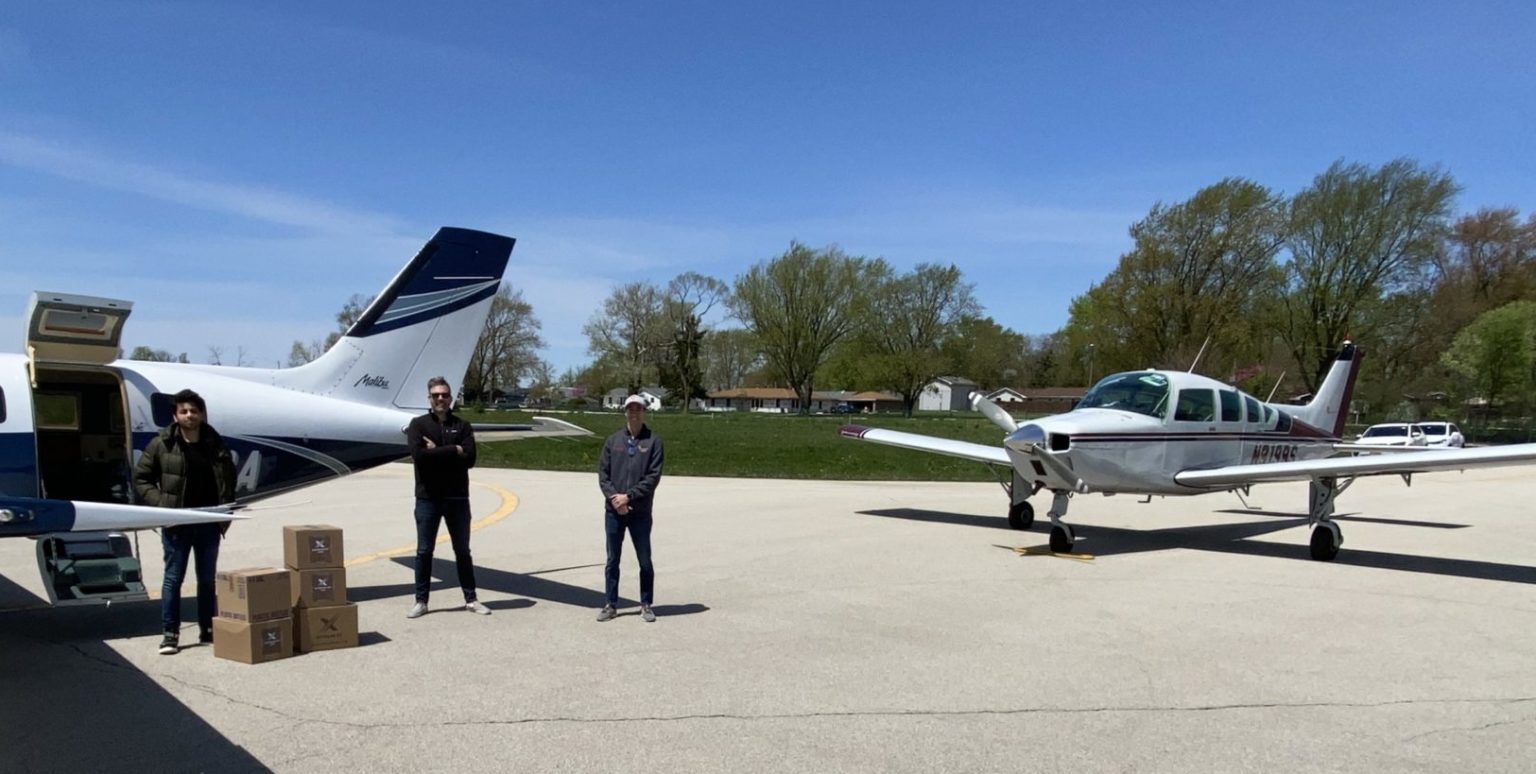
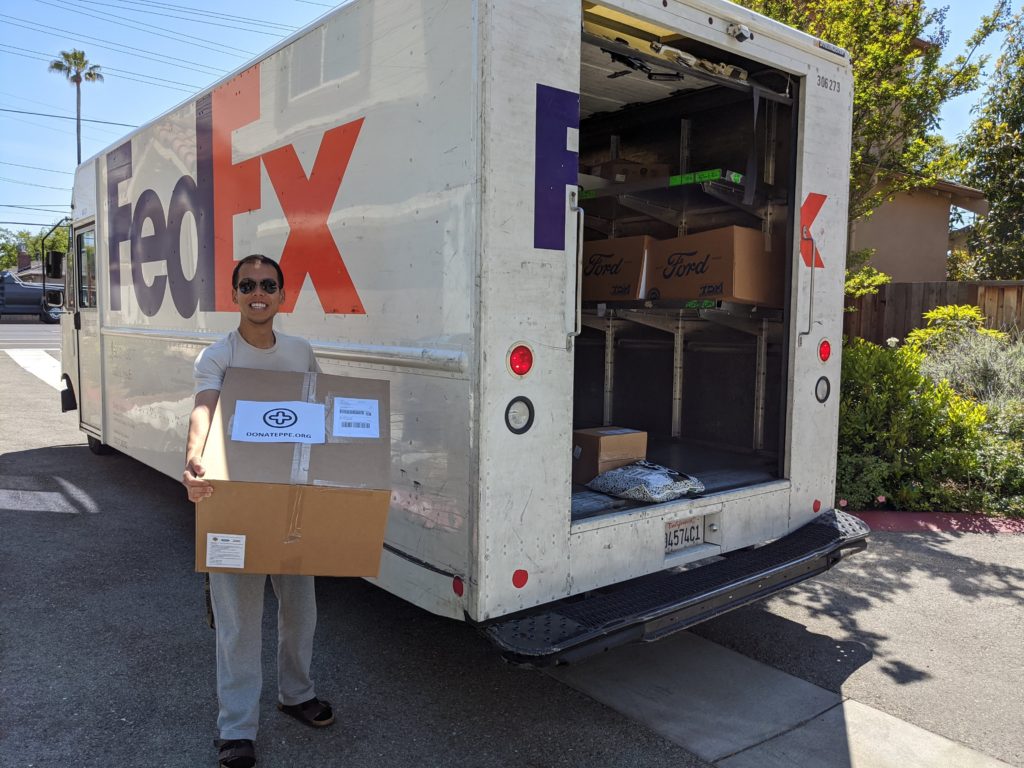
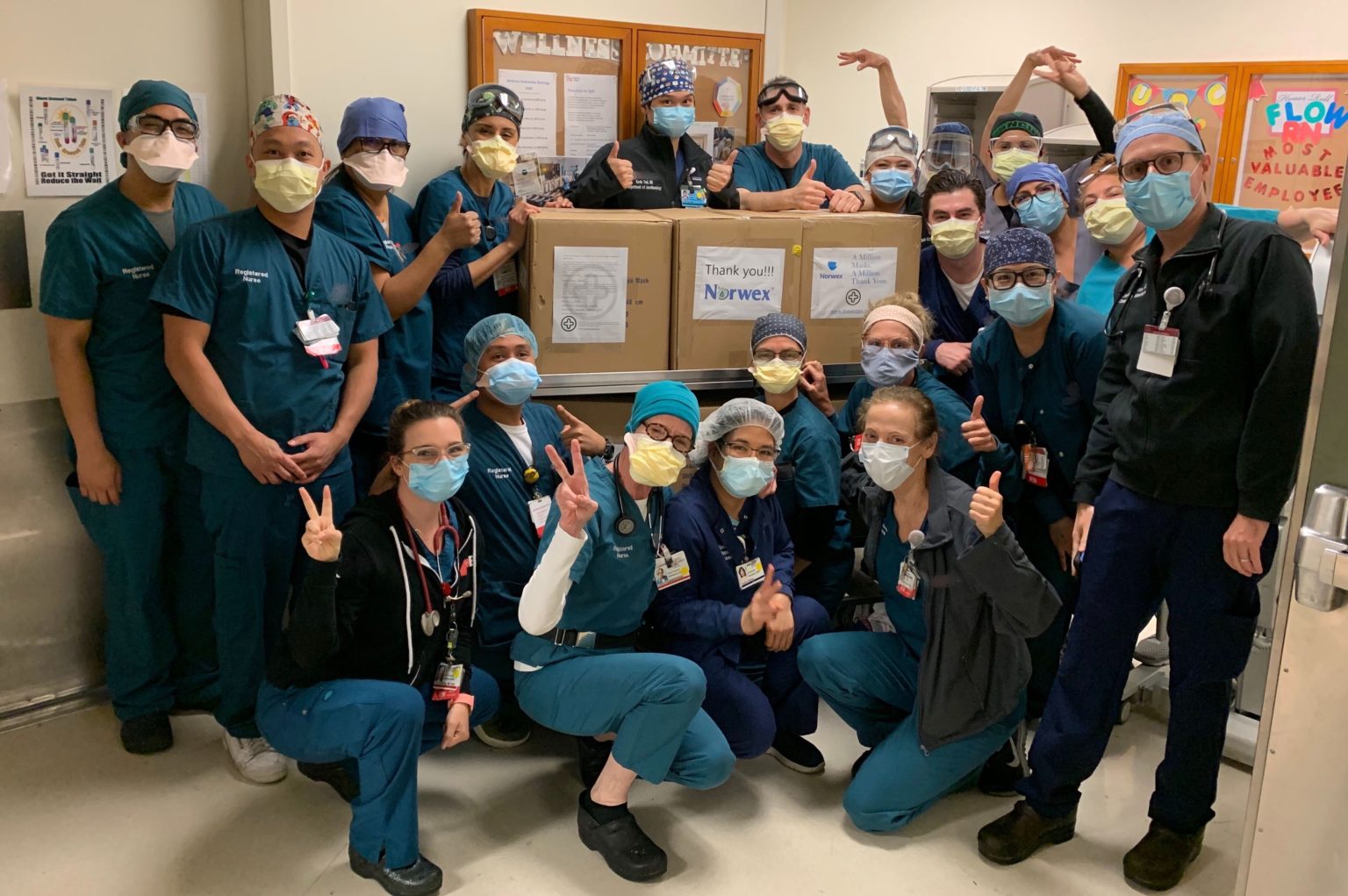
“Flexport has done a lot for our team since we first started. They’ve helped us out more than once when we got stuck. We couldn’t have done this without them,” says DonatePPE.org co-founder Deyu Kong.
In just over a month, we’ve connected over 1,219,407 articles of protective equipment to healthcare workers across the US and Canada. [Mind blown.] We need to take a minute to thank one essential player whose support from behind the scenes has made much of our operation possible: Flexport – a freight company based out of San Francisco. Their mission is to make global trade easy for everyone. From the start of the COVID outbreak, Flexport has effectively helped us move thousands of PPE articles into the hands of healthcare workers during this critical shortage.
“Flexport has done a lot for our team since we first started. They’ve helped us out more than once when we got stuck. We couldn’t have done this without them,” says co-founder Deyu Kong.
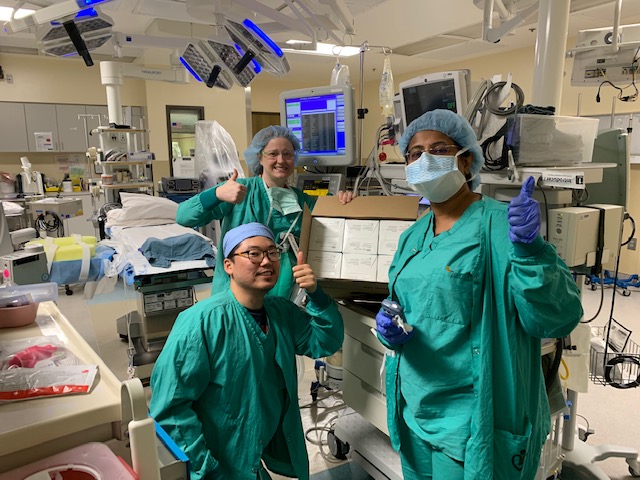
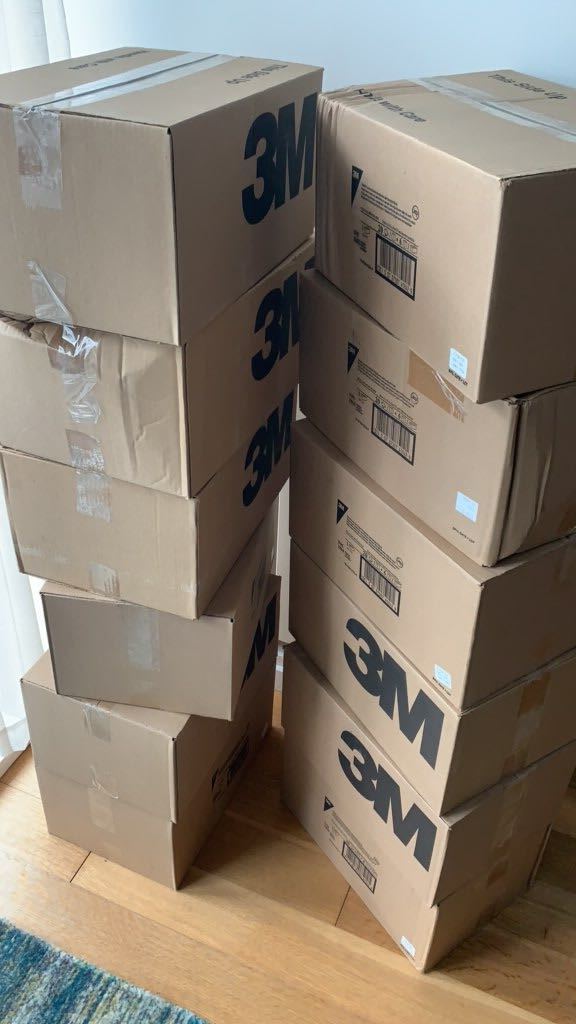
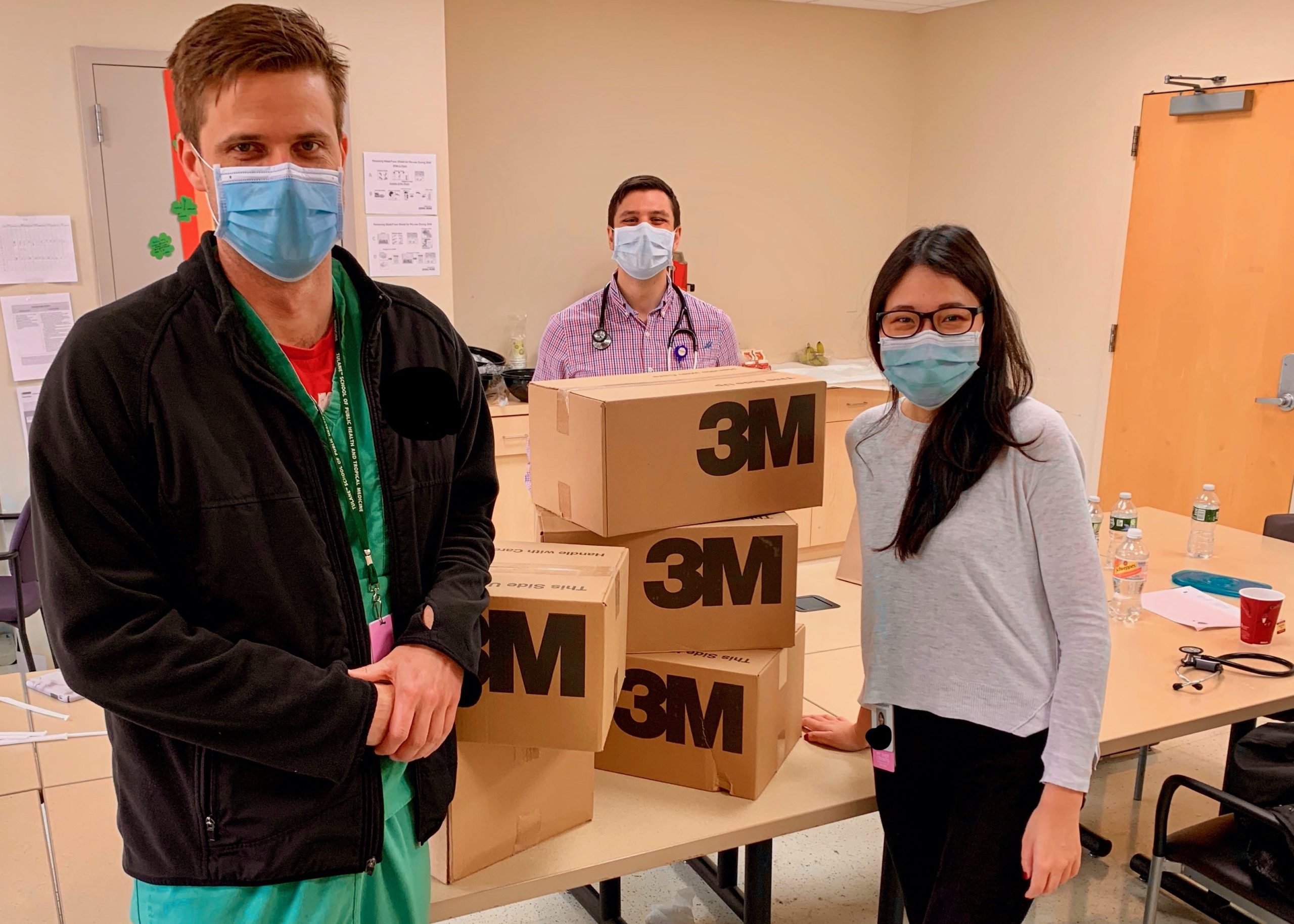
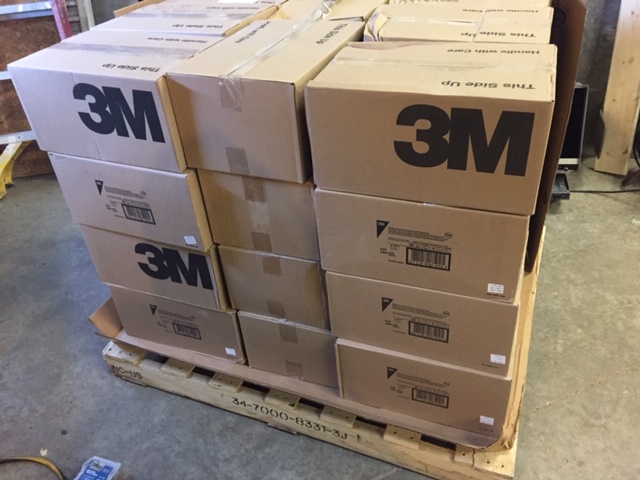
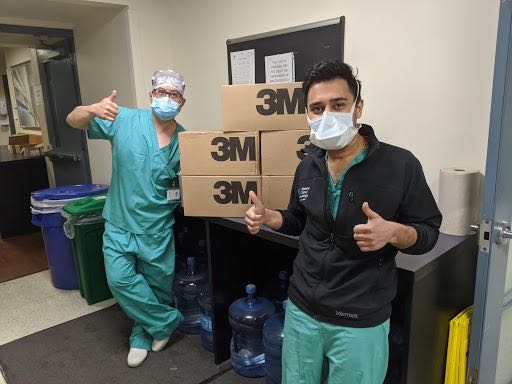
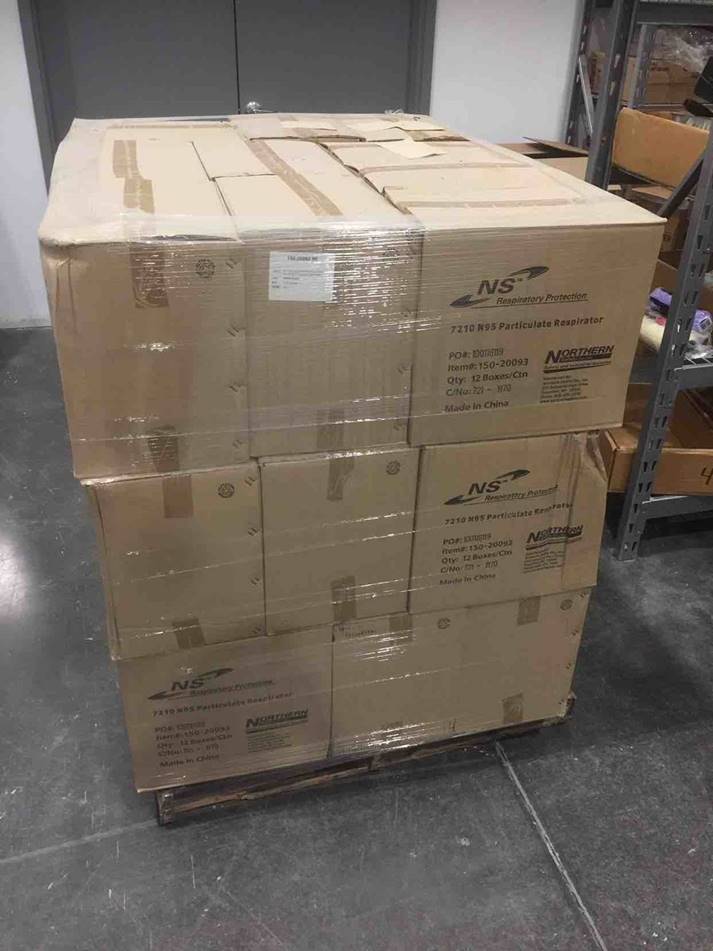
Just weeks after DonatePPE.org got its start, Flexport.org reached out to our team knowing that we’d need help moving large donations of protective gear from the public to hospitals. The public public parcel services were already completely strained. In a stroke of cosmic timing, they got in touch just before one of our earliest projects, the coordination of several pallets of N95 respirators from New Hampshire deep into the NYC epicenter (above).
“Without their support, we would have been much more intimidated by the task of navigating such precious cargo through dangerous waters,” said Kevin Tsai, MD, of DonatePPE.org.
In the earliest days of our efforts, Flexport’s staff hit the ground running, sorting out the logistics and securing shipping ties we needed to ensure the safe and speedy transport of those respirators to healthcare workers. In just the last few weeks, they’ve been essential to more of our transcontinental projects. Here, and in the future, we hope to highlight more of the projects in which Flexport has been a key player, as well as the healthcare heroes who are subsequently working in safer conditions.
Here’s a look at some of the projects they’ve made possible to date:
March: Flexport helps us ship 4,000 N95 masks to NYC hospitals during a critical spike in COVID-19 cases
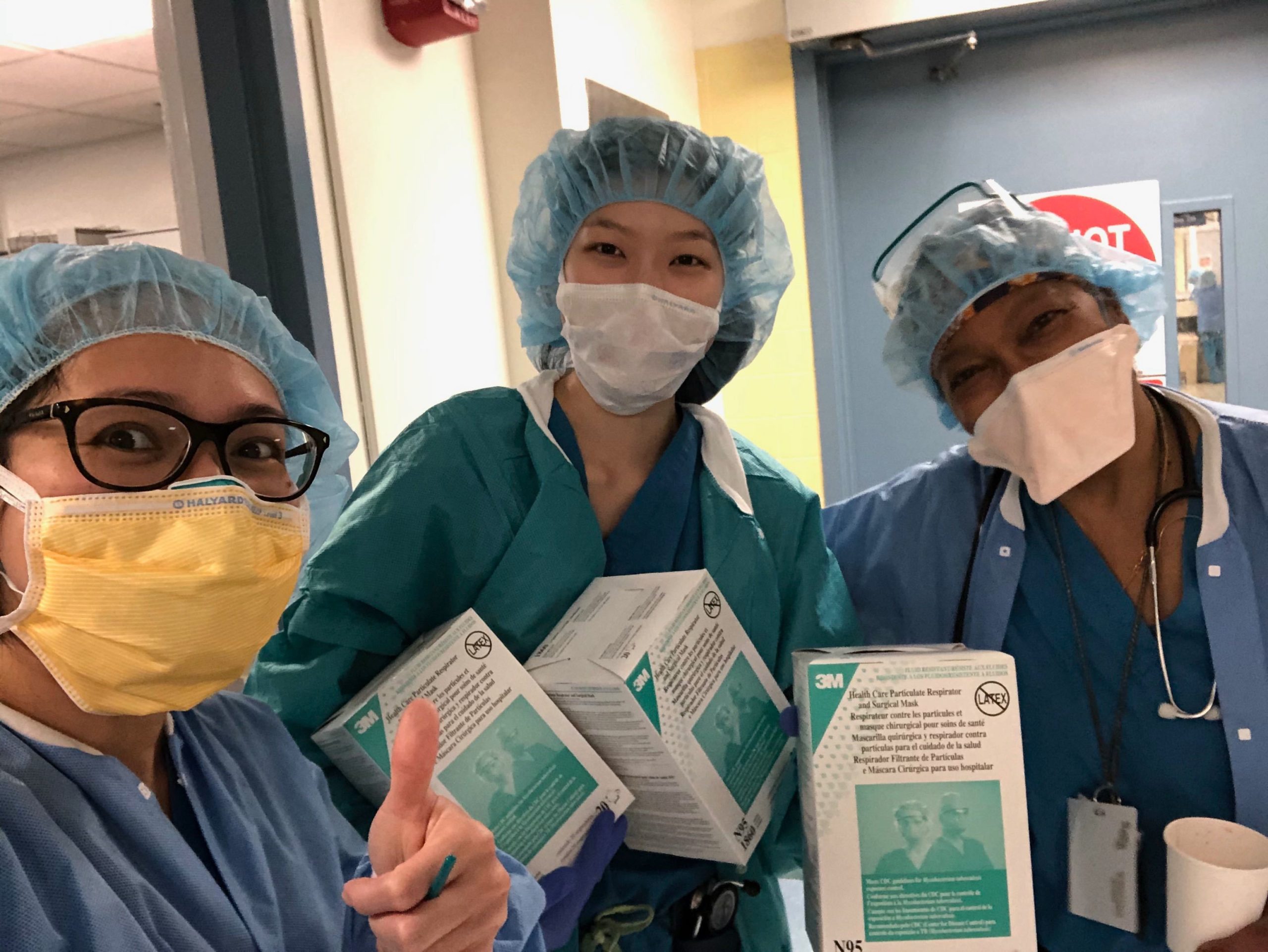
April: Flexport delivers seven shipments of protective masks from our “1 Million Masks” initiative with Norwex

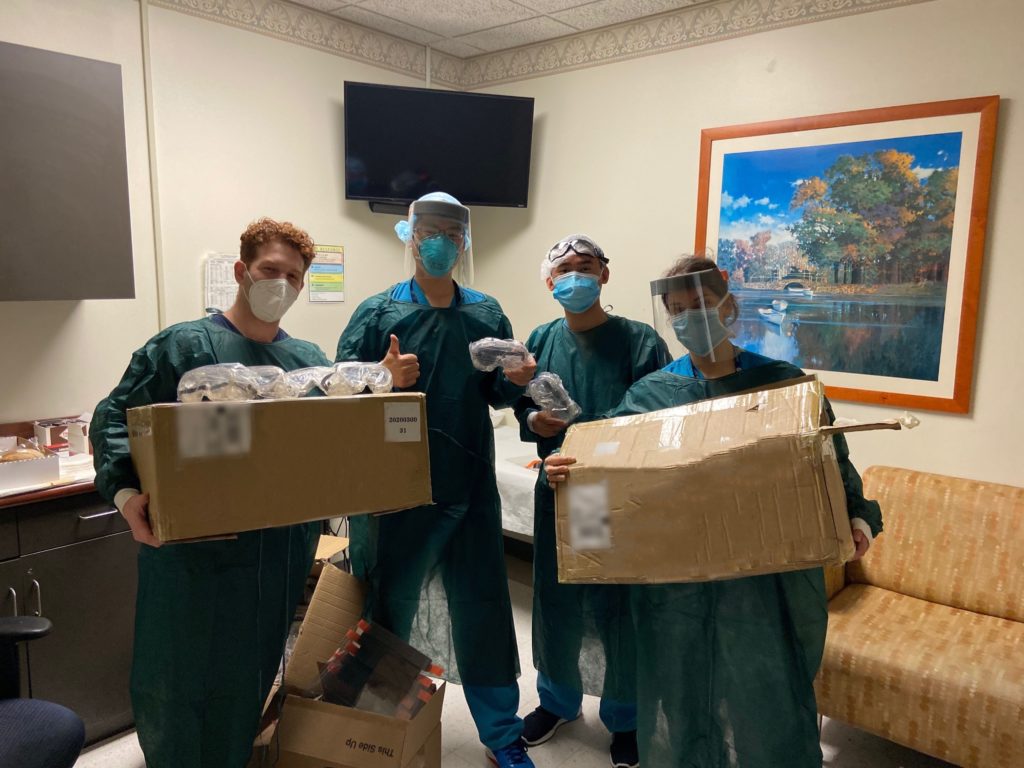
April: Flexport funds our delivery of thousands of gowns and shoe coverings to hospitals in Detroit and New York
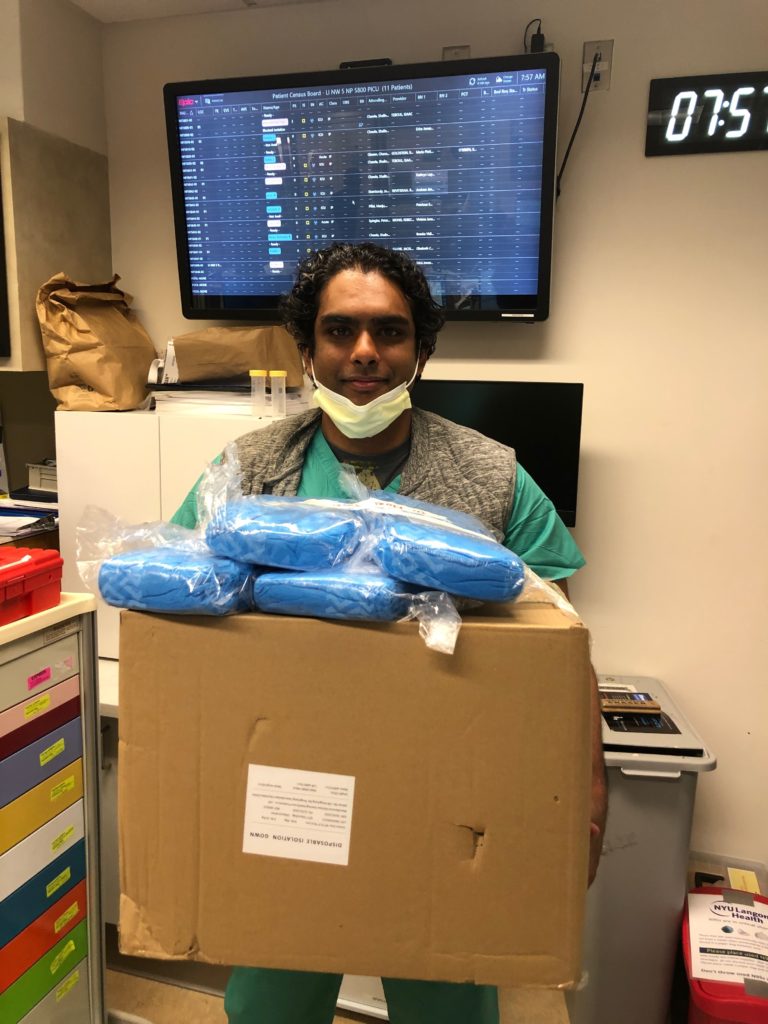
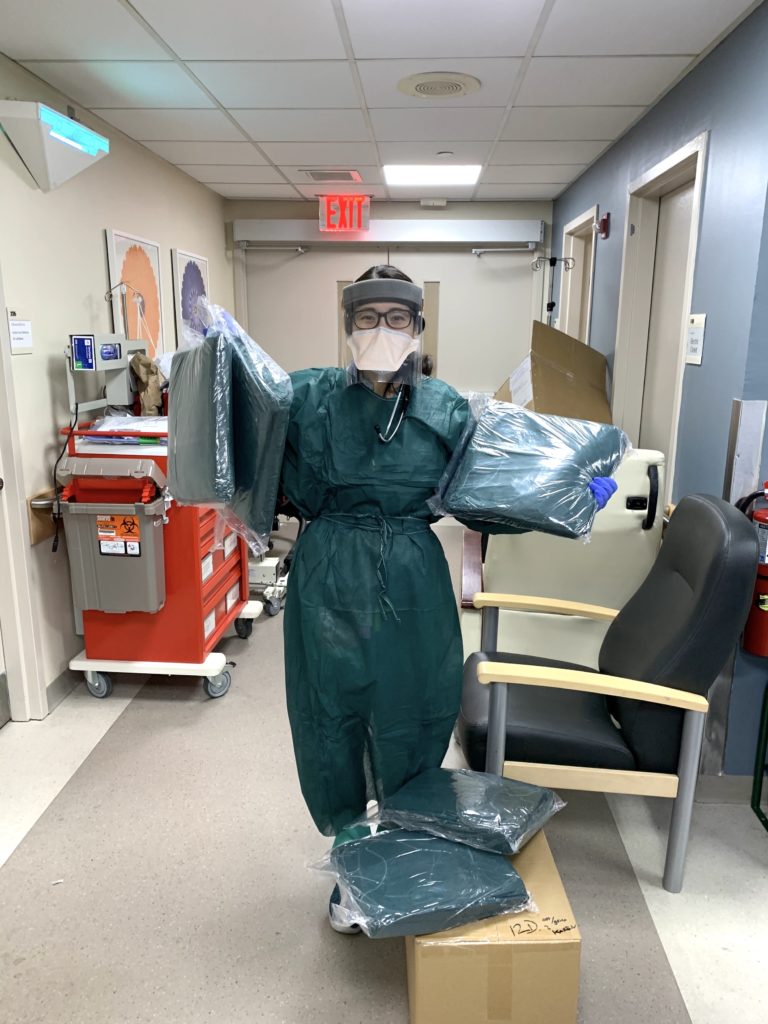
Today: Flexport is helping us get 8,000 NIOSH approved N95 masks to hospitals across New Mexico.
Thank you Flexport, for etching out paths to the frontlines and helping us get gear moving! It’s really encouraging to us to see a company show such generosity. Want to learn more? Check out Flexport’s Frontline Responders Fund initiative. “With everyone’s support, we can provide the essential medical equipment that allows doctors and nurses to save peoples’ lives and continue to serve those who have been impacted by the economic repercussions of social distancing. Together, we can truly help more people,” says program manager Kathleen Hegyesi.



I always tell them the truth... I just can't wait to see you smile! "

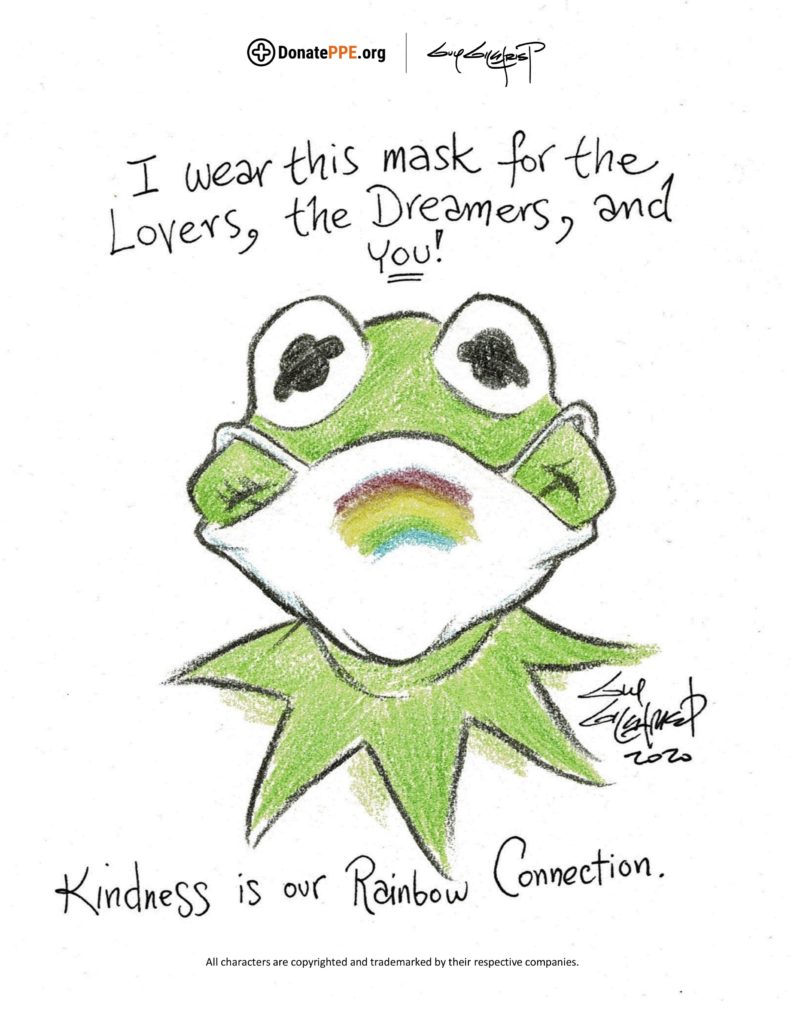


Above, Guy poses with characters he's penned: Baby Muppet Kermit, Teenage Mutant Ninja Turtle Donatello, The Pink Panther, and Nancy of the titular comic strip
To left, Guy stands outside the White House while perusing a program for the 1984 Parade Event, with his friends The Fraggles and Fozzie Bear. He was invited as a Guest of Honor.